
When your internet works fine in the living room and dies in the bedroom.
This post contains affiliate links and paid brand placements. If you buy through these links, we may earn a commission or bonus from the featured brands at no extra cost to you.
Standard wireless routers are built to broadcast through drywall, open spaces, and modern, hollow timber framing.
If you live in an older home with dense brick walls, solid concrete pillars, heavy plaster, or wire-mesh lathe, your WiFi signal is essentially hit by a brick wall—literally. High-frequency wireless bands cannot penetrate these dense, heavy materials. You end up with a high-speed internet connection right next to your modem, but complete “dead zones” just one room away where web pages won’t load and videos constantly buffer.
The mistake most people make is buying a standard, cheap plastic WiFi booster. Those extenders simply repeat an already weakened wireless signal through the exact same dense walls, resulting in a connection that is barely usable. To get past physical barriers, you either need to punch through them using an entirely clean, clear wireless frequency, or bypass the walls completely by using the existing infrastructure built right inside your house.
Here are 4 problem-solving devices that use advanced frequencies and physical home wiring to blast high-speed internet directly into your home’s worst dead zones.
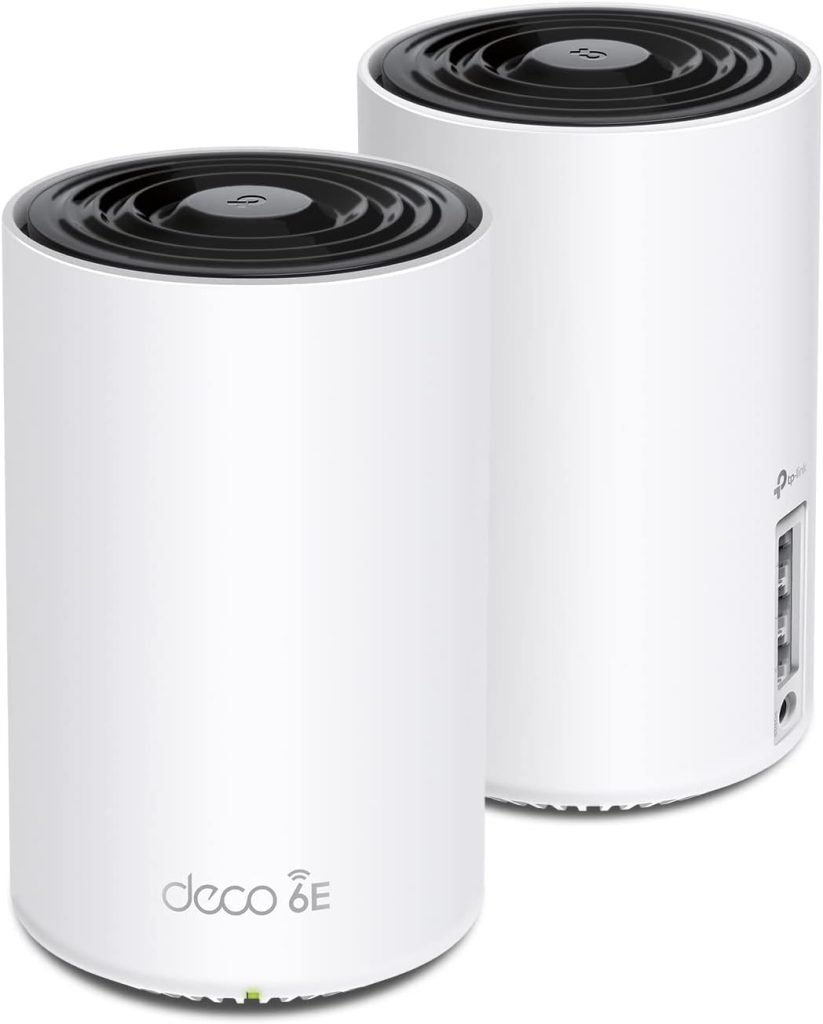
1. TP-Link Deco XE75 AXE5400 Tri-Band WiFi 6E Mesh System
Your router sits in the office and the signal barely makes it to the kitchen. This is a mesh system with a dedicated 6GHz band — a completely separate highway that the mesh nodes use to talk to each other. Your devices get the clean 2.4GHz and 5GHz bands. The nodes get their own private lane to pass data between rooms without competing with your phone, your TV, or your smart fridge. Three units cover most houses. You place one where the router is, one in the middle, one in the dead zone. Suddenly the bedroom has the same speed as the office. The kind of system that makes you realize your old router was broadcasting into a brick wall and hoping for the best.
$170
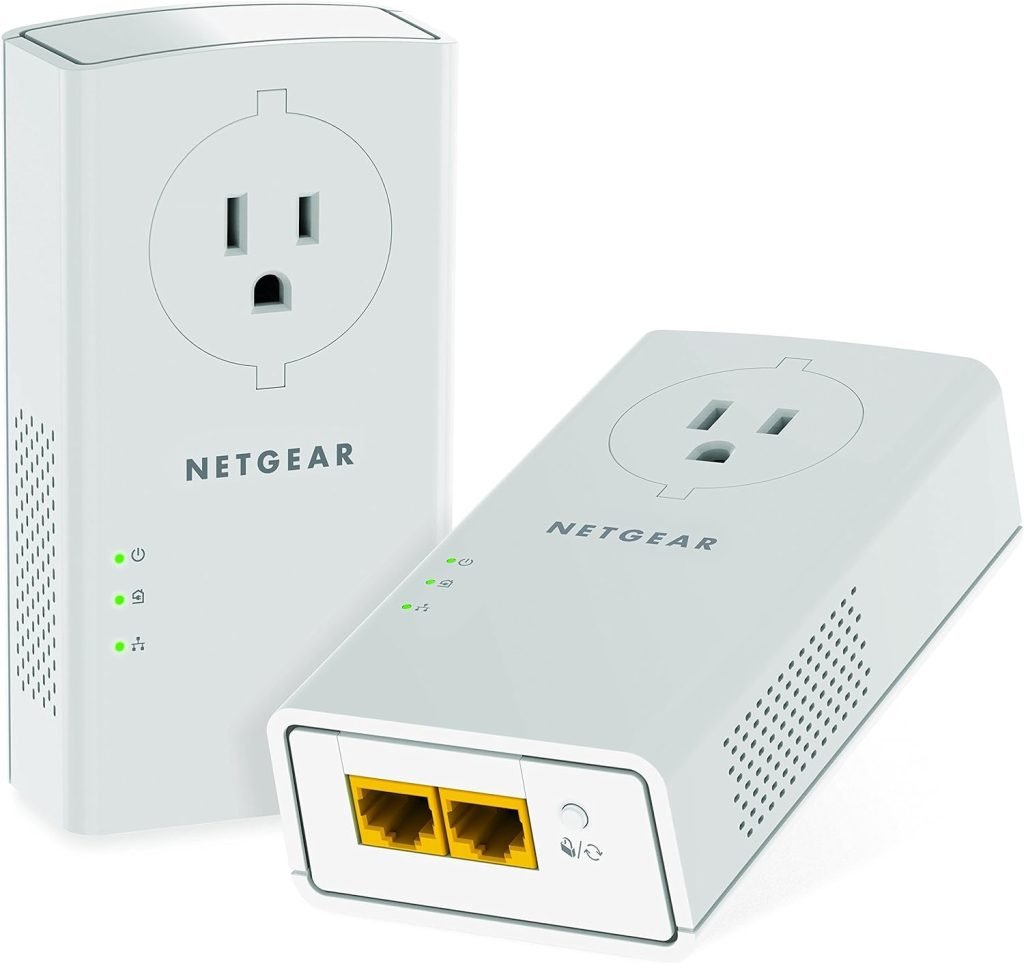
2. NETGEAR Powerline Adapter Kit 2000 Mbps
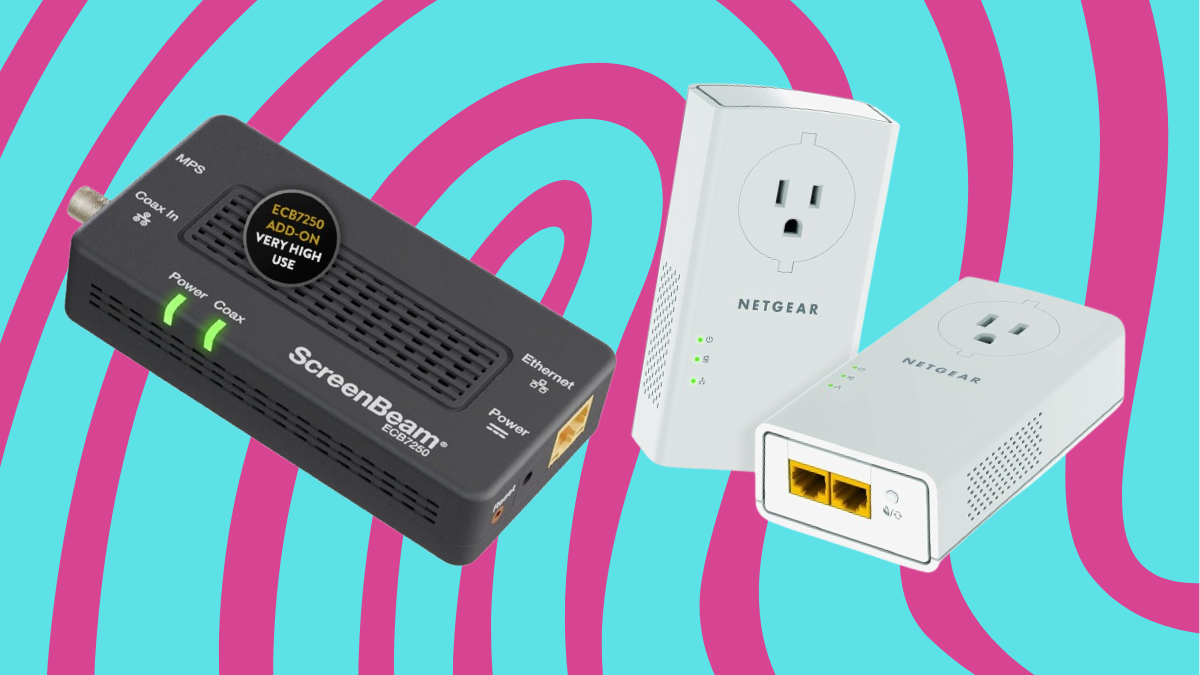
Your walls are concrete, plaster, or filled with insulation that eats WiFi for breakfast. This bypasses walls entirely by turning your home’s electrical wiring into an internet network. One box plugs into the wall near your router, connects with an ethernet cable. The other box plugs into any outlet in the dead zone — instant ethernet jack. No drilling, no running cables through walls, no hoping WiFi will magically penetrate three layers of brick. You plug it in, press a button, and your dead zone gets wired speed through the outlet. The kind of workaround that feels like cheating because it is.
$120
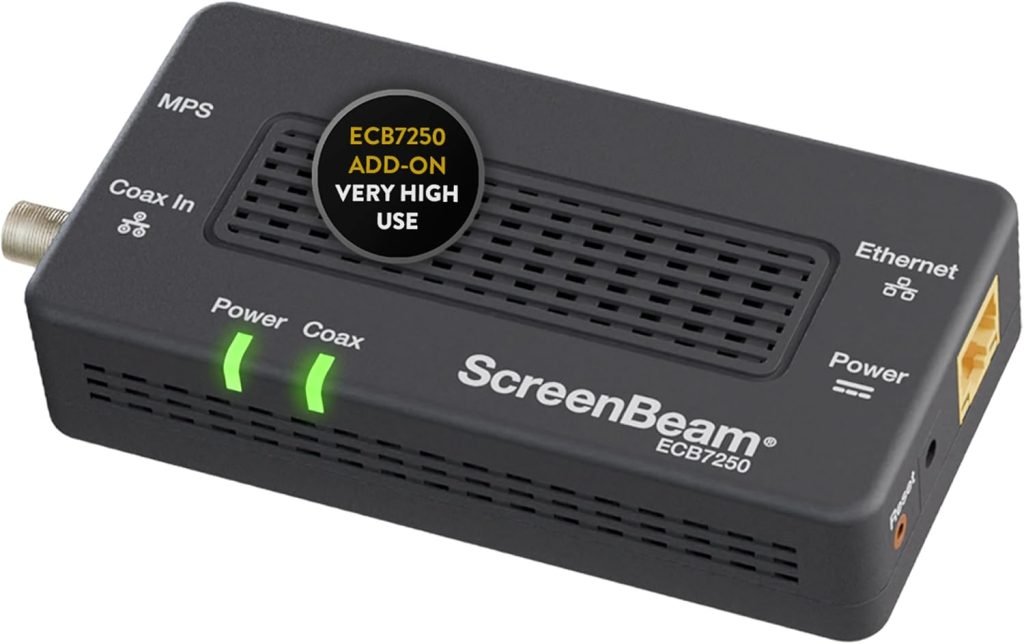
3. ScreenBeam Bonded MoCA 2.5 Network Adapter
Your house has coaxial cable jacks in every room from the cable TV era and you’re not using them. This turns those unused, shielded cables into a 2.5 gigabit wired backbone. One adapter connects to your router and a coax jack. The other adapter connects to a coax jack in the dead zone and gives you an ethernet port. The signal travels through the walls on shielded cable — no interference, no degradation, no fighting through plaster. You get wired speed in rooms where WiFi fears to tread. The kind of infrastructure hack that uses what you already have instead of adding more wireless noise.
$90
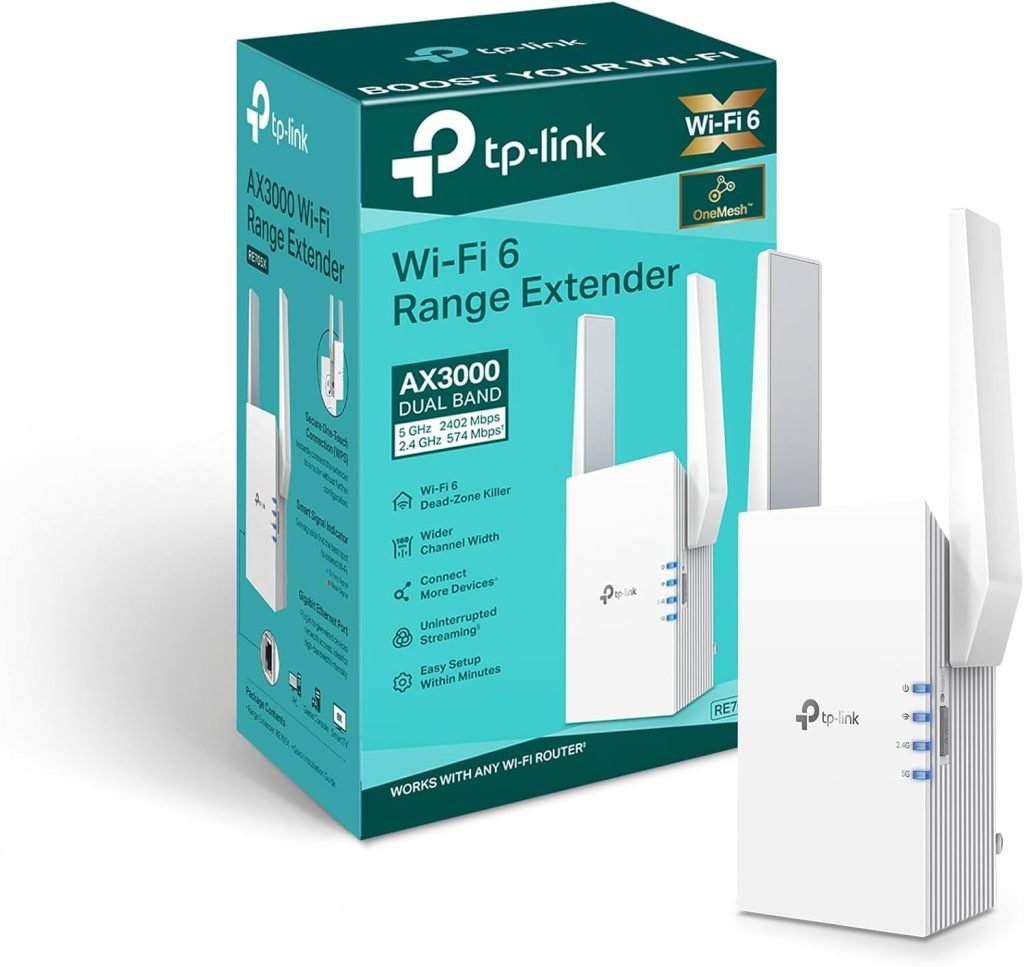
4. TP-Link AX3000 Dual-Band Wi-Fi 6 Range Extender
You don’t need a whole new system. You just need the one room where the signal drops to push through. This extender has four internal amplifiers and directional antennas that use beamforming — instead of broadcasting in all directions like a lightbulb, it tracks where your devices are and aims a concentrated signal straight at them. Through walls, around corners, into that back bedroom where nothing else works. You plug it in halfway between your router and the dead zone, and it acts like a relay that actually knows where the finish line is. The kind of surgical fix for people who don’t want to rebuild their whole network.
$40
Practical solutions for modern living. Home Store Links curates intentional, problem-solving gear, lifestyle essentials, and daily drops for home, tech, family, men, and women. Links are affiliate links, which may earn us a commission at no extra cost to you. We try to update prices regularly, but note that prices, deals, and availability may change without prior notice.