Because better sleep isn’t just about more hours.
All products featured on HomeStoreLinks are independently selected by our editors. However, we may receive compensation from purchases of products through these links.
These days, everyone seems to be using some kind of smart device to optimize their health. You might be tracking your sleep stages with the latest wearable, but even with a solid sleep score, you could still wake up feeling exhausted. That’s often a sign you’re missing out on one of the most crucial—and most overlooked—stages of rest: deep sleep. While most people know about REM sleep, experts say deep sleep (also known as slow-wave sleep) is just as vital—if not more so—for feeling truly rested, recharged, and healthy.
What is deep sleep?
Sleep occurs in two major modes: REM (rapid eye movement) and NREM (non-REM). Within NREM, there are three stages: N1 (light sleep), N2 (a deeper transition), and N3. It’s during N3 that deep sleep happens—the least conscious stage, and the one where it’s hardest to wake up.
According to sleep specialist Dr. Avinesh S. Bhar, deep sleep supports your metabolism (including how your body handles insulin and how your appetite is regulated). Research indicates that inadequate deep sleep raises levels of the hunger hormone ghrelin and lowers levels of the appetite-suppressing hormone leptin.
Deep sleep is also pivotal for immune-system function: it’s during this stage that the body “learns” to recognise and respond to inflammation. From a psychological perspective, not getting enough deep sleep has been tied to mood issues (including greater risk of depression) and reduced cognitive sharpness. For children, who are in growth mode, deep sleep plays a big role in development and the release of growth hormone.
Interestingly, the longest bouts of deep sleep occur early in the night, and then shorten in each subsequent sleep cycle. As Dr. Roger Washington puts it: If you were designing a system, you’d schedule the most important work first—just in case you don’t sleep long enough.
How do you know if you’re running short of it?
There are several signals that you may be lacking deep sleep—your tracker won’t always flag them. For example, if you find yourself eating more than usual and struggling to feel full, that could be a sign (thanks to the ghrelin/leptin imbalance).
Also: feeling like you’ve been run over by a truck upon waking, despite getting adequate hours, may mean you’re stuck in light or REM sleep without enough deep sleep. Naps won’t necessarily fix this deficit, because deep-sleep debt isn’t simply made up hour-for-hour.
Moodiness or increased dependence on caffeine or stimulants to get through your day? Those could be red flags. Your cognition may also lag, you may feel emotionally off.
Four ways to boost your deep sleep
If any of the signs above resonate, here are four strategies recommended by sleep doctors to promote more slow-wave sleep:
- Master the fundamentals of sleep hygiene.
It might sound repetitive, but habits like limiting caffeine later in the day, avoiding heavy meals or alcohol near bedtime, reducing screen time, keeping your bedroom cool and dark—all still matter. Dr. Morse highlights that what we eat and drink, and when we consume caffeine, influences not only sleep quantity but the quality and cycling of different sleep stages. Dr. Bhar adds that a dark, cool sleep environment is one of the best foundations for a good night. Stress and emotional wellbeing also play a big role—if your mind is unsettled, your deep sleep suffers. - Hit the hay earlier.
Because deep sleep is most abundant early in the night, moving your bedtime forward can help your body have the time it needs to work through that stage. Dr. Washington advises responding to your body’s cues—like yawning in the evening—as signs that it’s time to go to bed. - Address potential underlying sleep disorders.
Conditions like Obstructive Sleep Apnea (OSA) are more common than many realize—especially in men—and severely disrupt deep sleep because breathing interruptions repeatedly fragment your sleep cycle. If you wake feeling perpetually exhausted, or struggle with daytime fatigue despite “enough” sleep, it’s wise to speak with a sleep specialist. - Consider the impact of medications.
Many people aren’t aware of how certain drugs influence their deep sleep. For example, beta-blockers (used for hypertension or migraines) may reduce melatonin, interfering with sleep stages. Some antidepressants also affect deep sleep—sometimes beneficially, sometimes not—so if you suspect your meds are undermining your rest, it’s worth discussing with your doctor.
If you’re ready to take your deep sleep seriously, a few science-backed tools can make a real difference.
How to Get More Deep Sleep — and the Tools That Can Help You Get There
If you’ve been waking up tired, foggy, or just not yourself lately, you’re probably not getting enough deep sleep. This crucial stage is where your body restores itself, your brain consolidates memories, and your metabolism resets. The good news? You can improve it—starting with better habits, a more restful environment, and a few well-chosen tools designed to help you drift into truly restorative rest.
1. Create a Sleep Sanctuary
Your bedroom should feel like a retreat, not a workspace. Keep it cool, dark, and quiet—your brain associates that environment with rest.
If your bedroom light bothers you
This soft, 3D contoured mask blocks out every trace of light without pressing on your eyes. It’s perfect for achieving pitch-black comfort that helps your body stay in deep sleep longer.
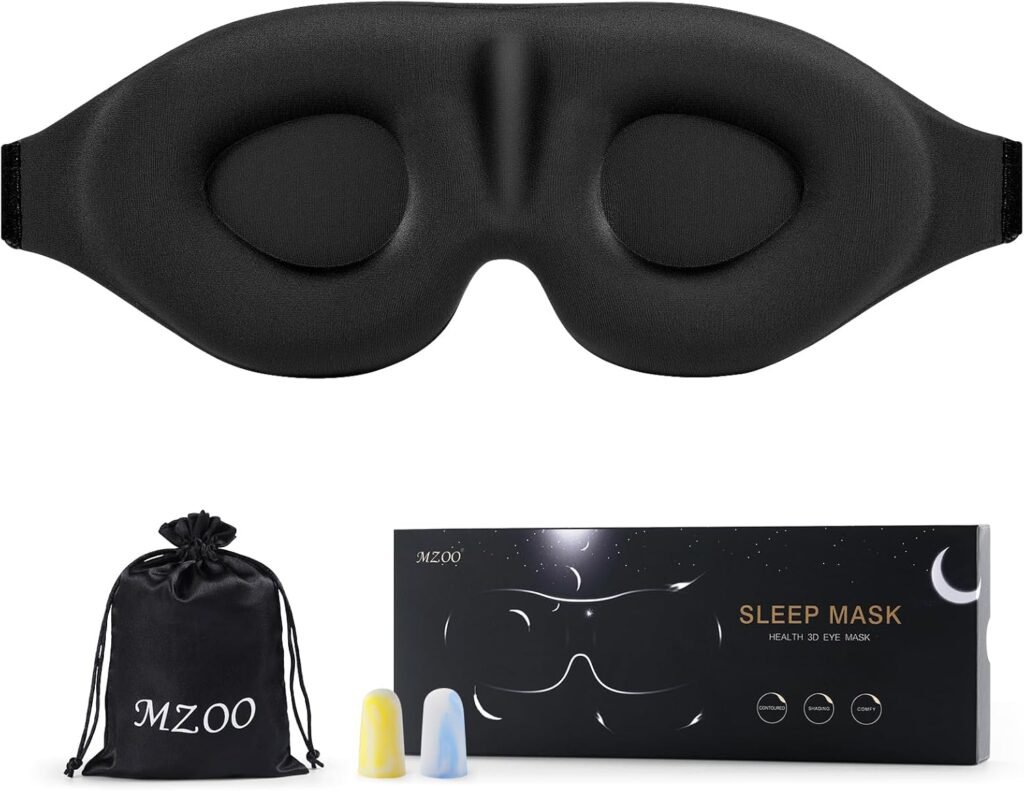
Contoured Sleep Mask
If your room feels too warm or stuffy for good sleep
This temperature-controlled mattress pad lets you set the exact climate for your bed, cooling or warming as needed to help your body stay in the optimal zone for deep, uninterrupted sleep.
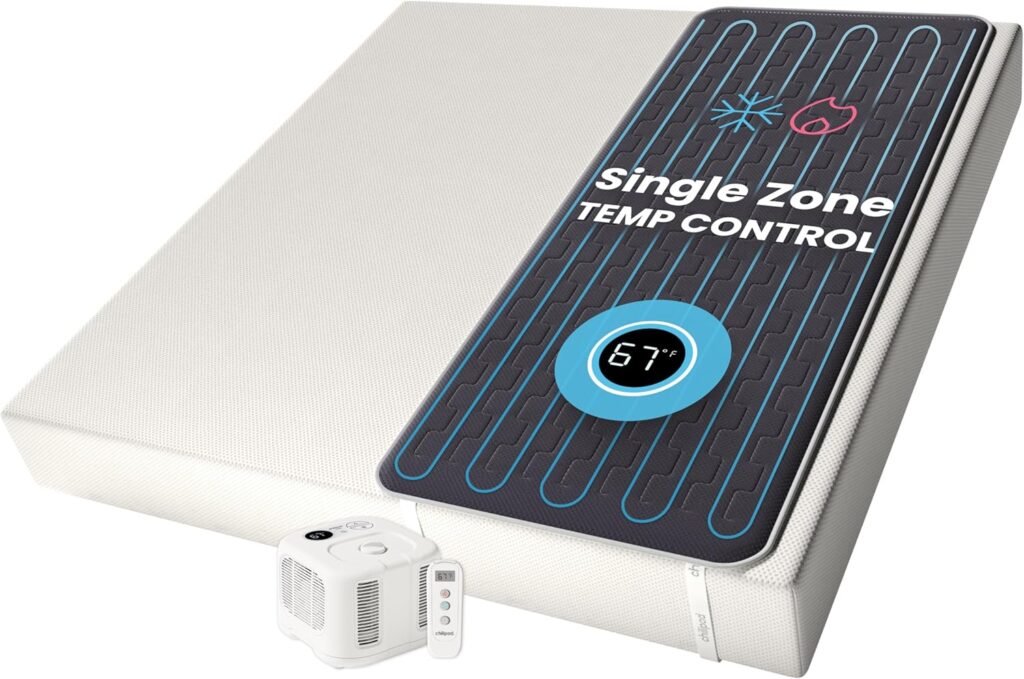
Chilipad Cube Bed Cooling System
If outside noise keeps you up
This machine produces steady, non-looping white, pink, and brown noise—perfect for drowning out barking dogs, street sounds, or noisy neighbors so you can sleep without interruption.
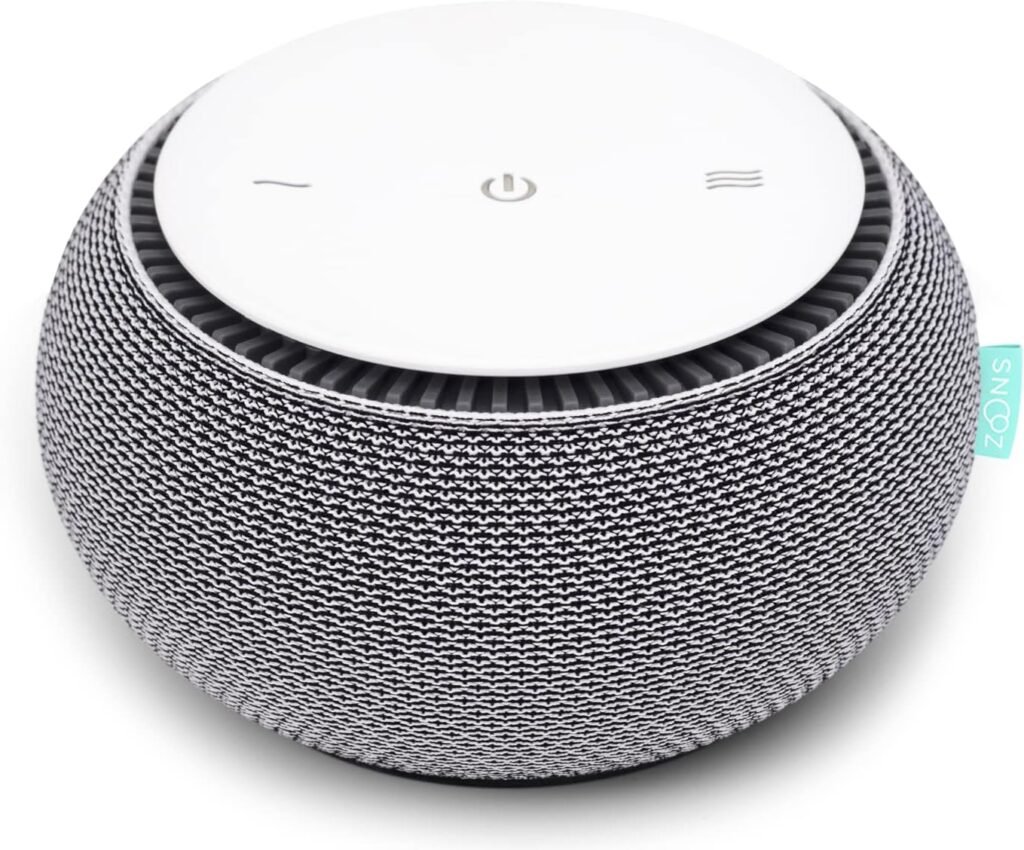
Smart White Noise Sound Machine
2. Ditch the Screens Before Bed
Scrolling through social media or watching TV before bed might feel relaxing, but the blue light from screens actually suppresses melatonin—the hormone that tells your body it’s time to sleep.
If you struggle to fall asleep or calm your mind before bed
This clever device projects a soft, rhythmic light onto your ceiling. Matching your breathing to the gentle pulse slows your heart rate and quiets your mind, naturally guiding you into a calm, sleep-ready state.
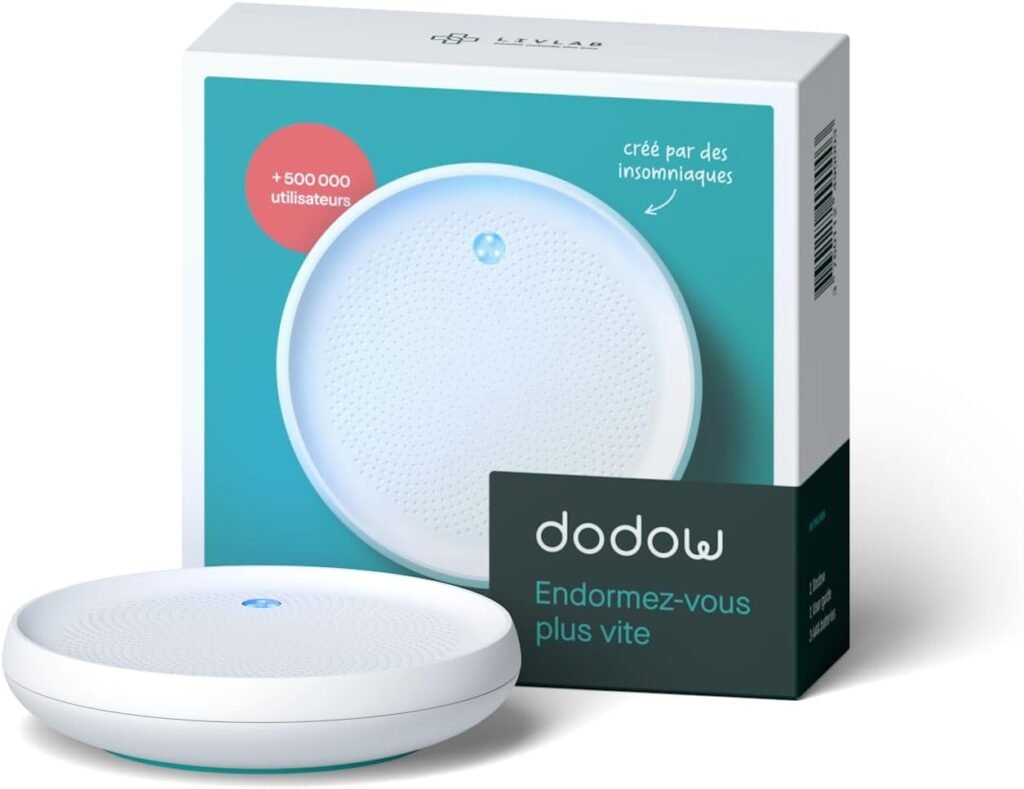
Dodow Sleep Aid Device
3. Wind Down with Relaxation Techniques
Deep breathing, meditation, or light stretching before bed helps your body recognize that the day is over and it’s time to rest.
If you wake up groggy or need better light alignment
This sleek bedside device combines a sunrise alarm, sound machine, and meditation library. It gently wakes you with light that mimics natural dawn and helps you wind down with soothing nighttime sounds.
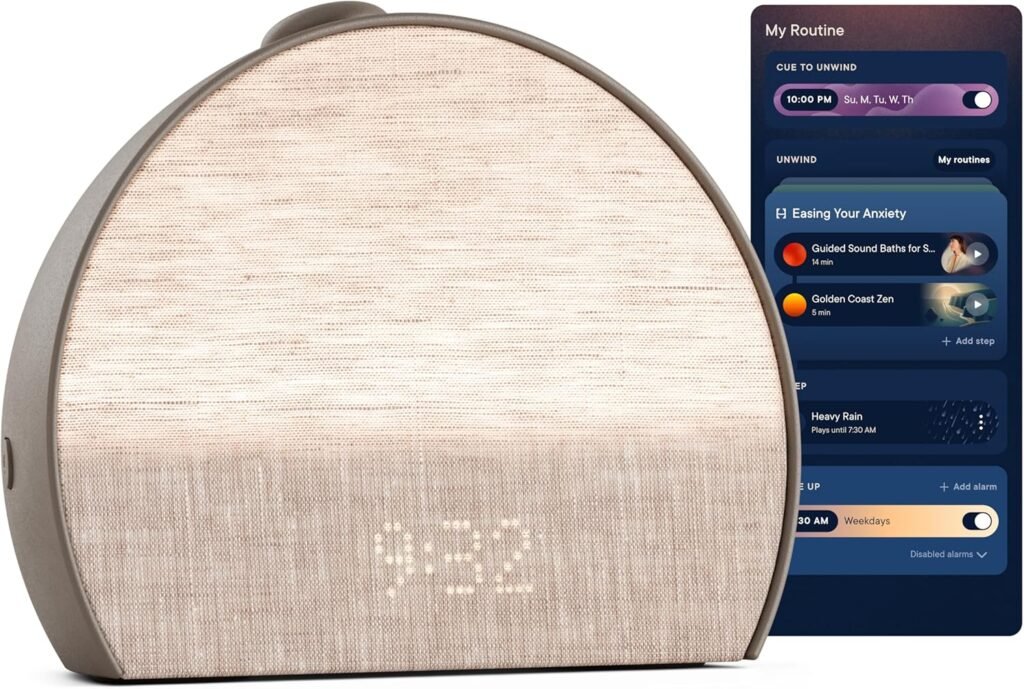
Hatch Restore Smart Sleep Assistant
4. Stick to a Sleep Schedule
Going to bed and waking up at the same time every day helps regulate your circadian rhythm—your internal clock that governs when you feel alert or drowsy.
If you want to track and improve sleep cycles accurately
This minimalist ring provides detailed insights into your sleep stages, including how much deep sleep you’re getting each night. It tracks your heart rate, temperature, and recovery so you can fine-tune your bedtime habits.
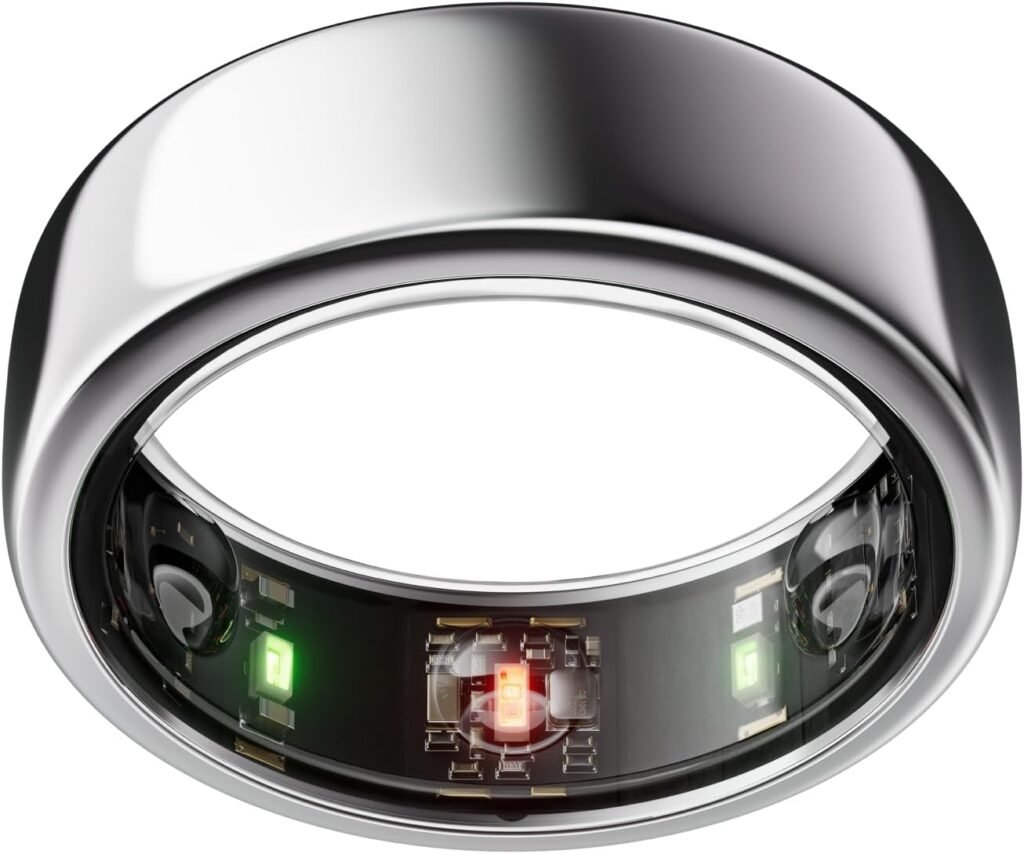
Oura Ring Gen3
5. Be Mindful of What You Consume
Avoid caffeine and heavy meals within a few hours of bedtime. Your digestion and nervous system need time to wind down too.
(Skip stimulants after mid-afternoon, and if you enjoy an evening ritual, consider a caffeine-free alternative like herbal tea.)
6. Optimize Your Sleep Environment
Your mattress and pillows can make or break your sleep quality. If you’re waking up with aches or tossing and turning, it may be time to upgrade.
If you want better comfort and support
This hybrid design combines the responsiveness of coils with the plush comfort of memory foam—ideal for cradling your body while supporting your spine for deeper, more restorative sleep.

Lineaspa 8in Memory Foam Hybrid Mattress
7. Get Moving During the Day
Exercise helps your body build sleep pressure—the natural drive that makes you feel ready for bed. Aim for consistent movement throughout the day, but avoid intense workouts too close to bedtime.
If you want to monitor your activity and recovery
Tracks your daily steps, calories, and sleep quality, giving you valuable insight into how your lifestyle choices affect your rest.
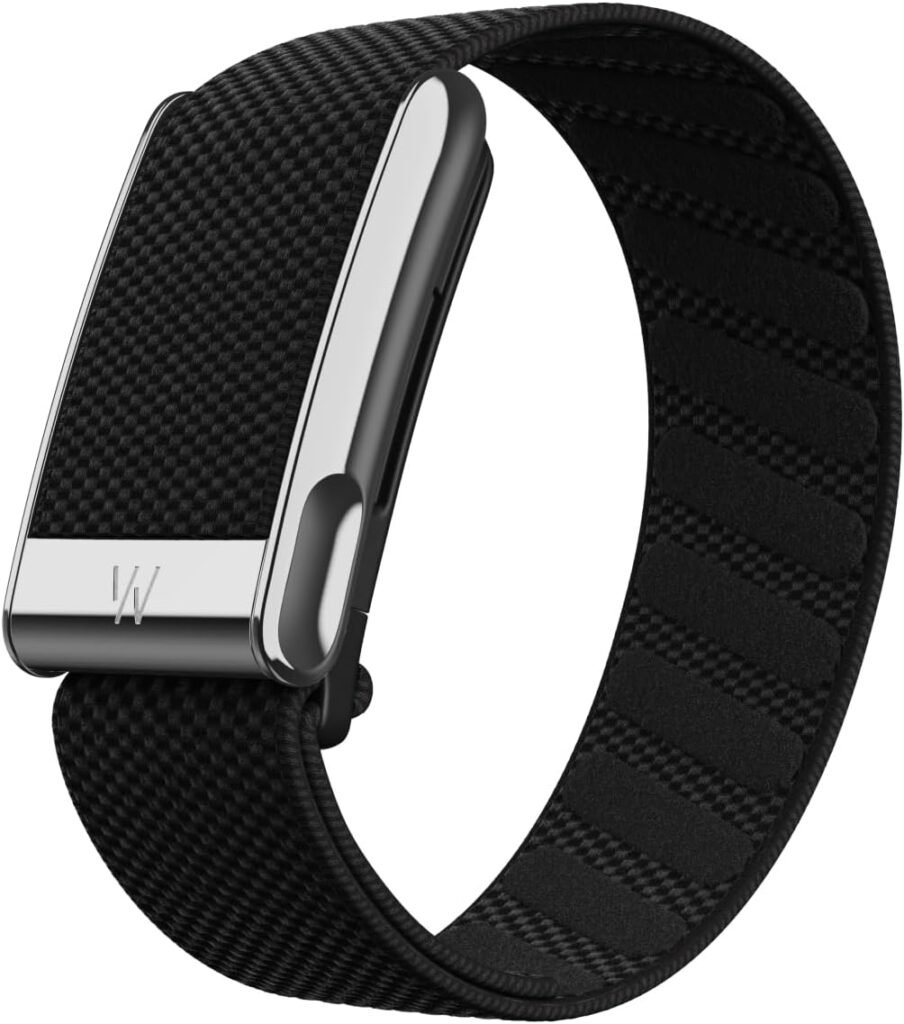
WHOOP Activity Tracker
8. Consider a Sleep Aid (If Needed)
Sometimes, even with the best routine, stress or travel can throw off your sleep rhythm. In those cases, a natural supplement can help—just consult your doctor before starting anything new.
If you occasionally need help falling asleep faster
A gentle, non-habit-forming sleep aid that helps you fall asleep quickly and stay asleep longer. The fast-dissolve formula makes it easy to take, even when traveling.
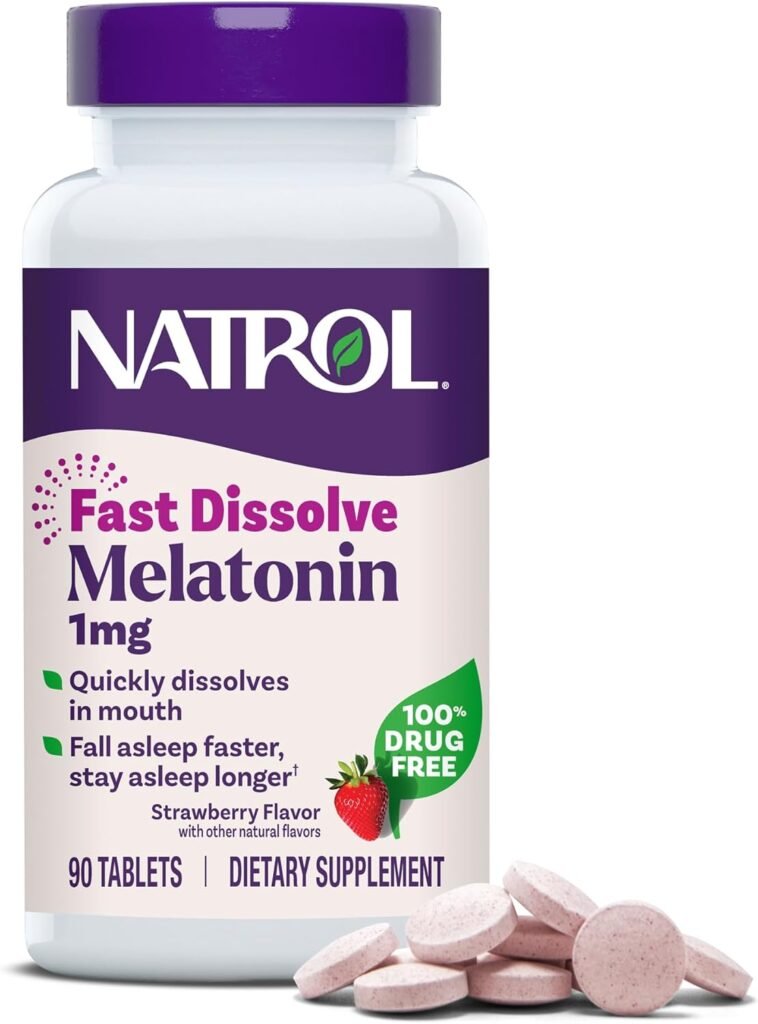
Melatonin Supplements 1mg
Final Thoughts
Deep sleep is your body’s nightly repair shop—it resets your hormones, strengthens memory, and restores mental clarity. By combining smart sleep hygiene with the right tools and environment, you can give your body the best chance to do its job while you rest. Sweet dreams come easier when you set the stage for them.