


Train your mind.
All products featured on HomeStoreLinks are independently selected by our editors. However, we may receive compensation from purchases of products through these links.
Life throws curveballs. Sometimes it’s a missed promotion, a rough breakup, or one of those weeks where your Wi-Fi, your willpower, and your laundry all quit at the same time. Emotionally intelligent people don’t just hope things magically improve—they play what I like to call The Resilience Game.
So, what exactly is The Resilience Game?
It’s not a literal board game (though let’s be honest, I’d totally buy that). It’s more like a personal challenge—an ongoing mindset built around bouncing back when life sucker-punches you. It’s how you recover from setbacks, learn from mess-ups, and keep moving instead of getting stuck in self-pity.
Think of it as emotional push-ups: the more you practice, the stronger you get.
Or, to put it bluntly—it’s about getting back up after life drops a bowling ball on your plans. Whether that’s an unexpected layoff or that very expected Monday meltdown, the game is all about showing up again, even when you don’t feel like it.
And let’s drop the fancy “emotional intelligence” jargon for a sec. What we’re really talking about is being tuned in—aware, focused, grounded. Some people are naturally good at it. For the rest of us, it’s about building that emotional stamina—the kind that helps you take a hit, dust off, and go again without throwing your coffee mug at the nearest wall.
If that sounds like something you struggle with (and honestly, who doesn’t?), the good news is resilience can be trained. You can actually build it—just like you build muscle. And yes, there are even some fun, weirdly effective ways to do that.
The Goal – How to do it:
1. To Accept Reality Without Drama
Instead of denying what happened or spiraling into “why me?” mode, emotionally intelligent people acknowledge the situation as it is. Acceptance isn’t giving up—it’s clearing mental space to focus on solutions.
2. To Reframe Challenges as Opportunities
Every problem is secretly a growth opportunity. Missed deadlines or criticism can be brutal, but they can also teach resilience, creativity, and perspective. Turning “I failed” into “I learned” is the core skill here.
3. To Practice Self-Compassion
Resilience isn’t about being tough on yourself. It’s about treating yourself like you’d treat a friend: with patience, understanding, and encouragement.
4. To Build Supportive (Positive) Habits
From journaling to meditation, small routines can reinforce resilience. These habits act like emotional insurance—they don’t remove the challenges, but they prepare you to bounce back faster.
5. To Take Action, Not Just Reflection
Thinking and processing are important, but so is moving. Resilient people make concrete steps toward solutions, even if small, incremental ones. Momentum matters.
Tools to Build Up Resilient Muscle
Now, let’s make this actionable. Here’s what you can grab to actually help you train your resilience in daily life:
1. Mental Clarity & Journaling
What it does: Helps you process emotions, track growth, and reframe challenges.

The 5-Minute Journal
It’s like having a life coach in your pocket that nags you gently every morning and evening to actually reflect on your wins instead of doom-scrolling.
2. Sensory Fidget Tool
What it does: Gives your nervous system something small and satisfying to do when your thoughts are doing gymnastics. Acts as a tactile “reset button” in moments of tension.
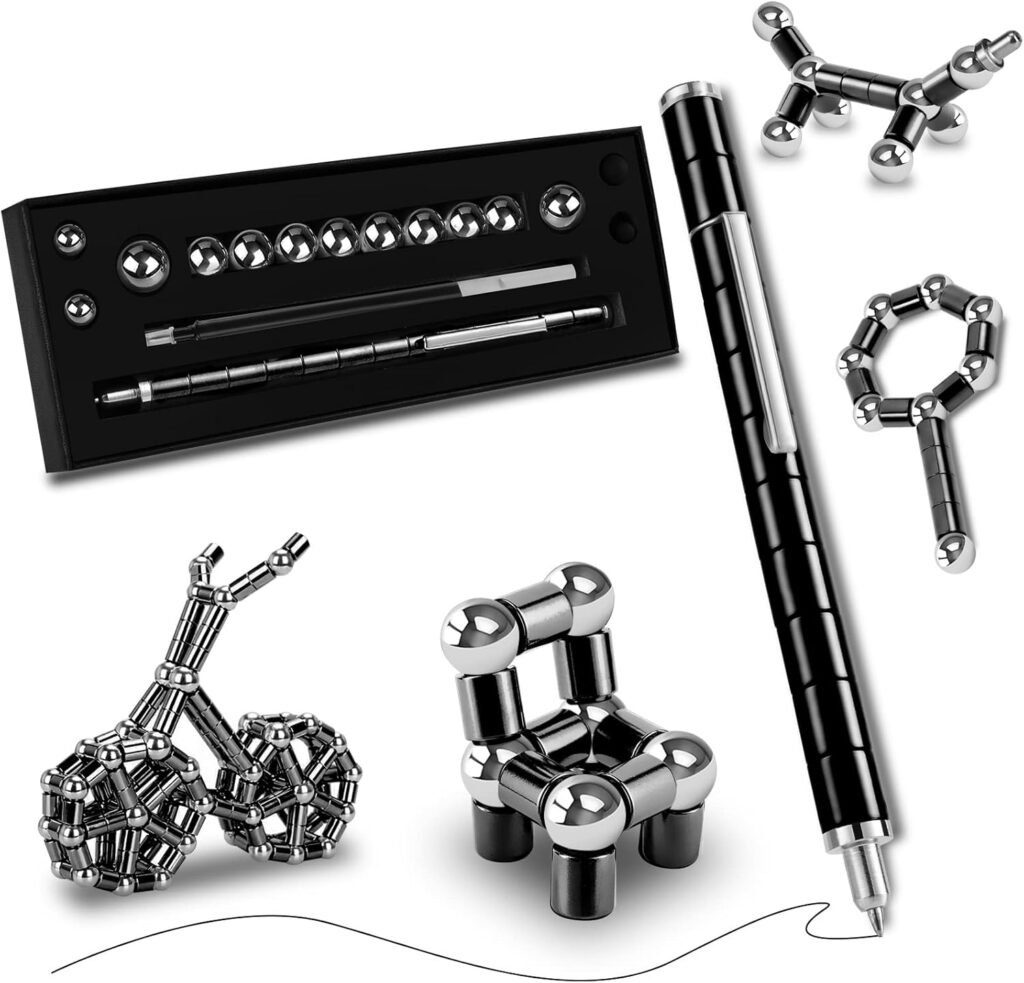
Fidget toy for stress and anxiety relief
It stops your brain from spiraling and makes the world feel a little softer.
3. Affirmation Cards & Confidence Boosters
What it does: Reminds you to practice self-compassion and positive self-talk daily.

I Am Affirmation Cards
4. Stress-Relief Gadgets
What it does: Keeps you grounded during tense moments, helping you act instead of overreact.
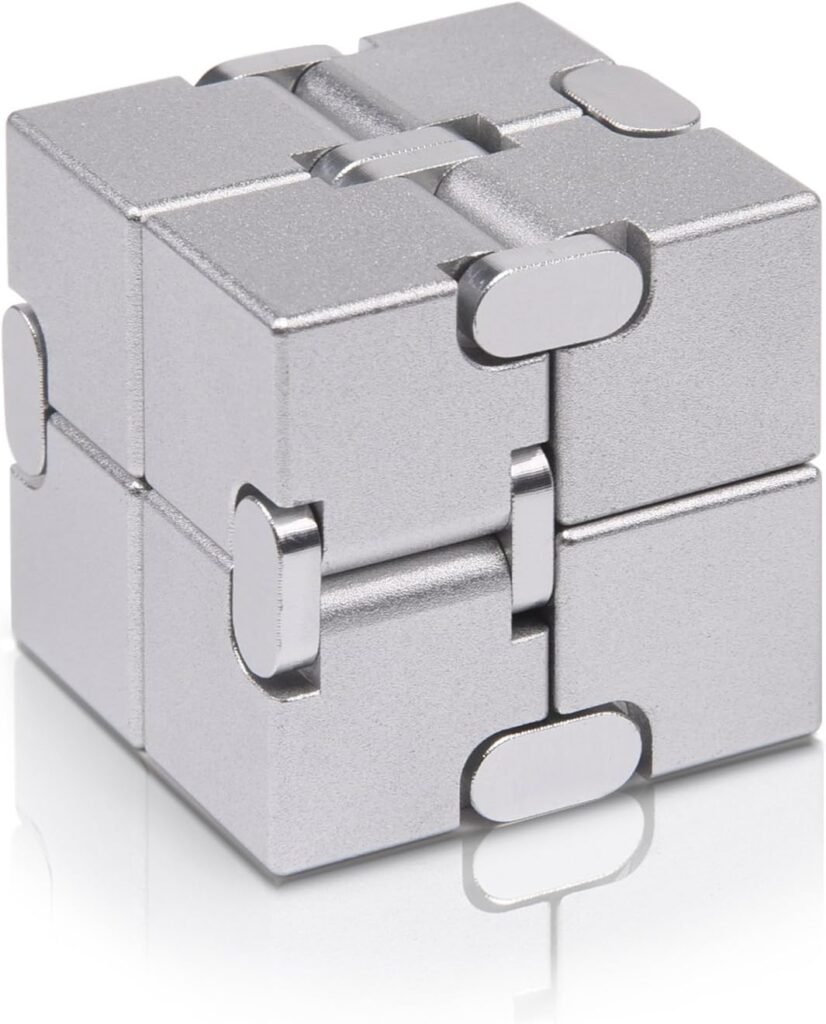
Infinity Cube Fidget Toy
It’s literally a cube that folds into itself endlessly—perfect for flipping instead of flipping out.
2. Games to Build Resilience with Other People (Because Laughter = Therapy)
Resilience doesn’t always come from deep journaling or quiet reflection. Sometimes it’s built in the chaos of game night — when you laugh so hard you forget what you were stressed about, or when a ridiculous question reminds you not to take life too seriously.
Here are some group games that secretly teach communication, flexibility, and emotional smarts — all under the disguise of fun:
1. Emotional & Life Skills Card Series
What it does: Helps you and your friends level up emotional intelligence, conversation skills, confidence, and even interview finesse — all through thought-provoking questions and interactive challenges. Great for self-discovery and connecting on a deeper level.
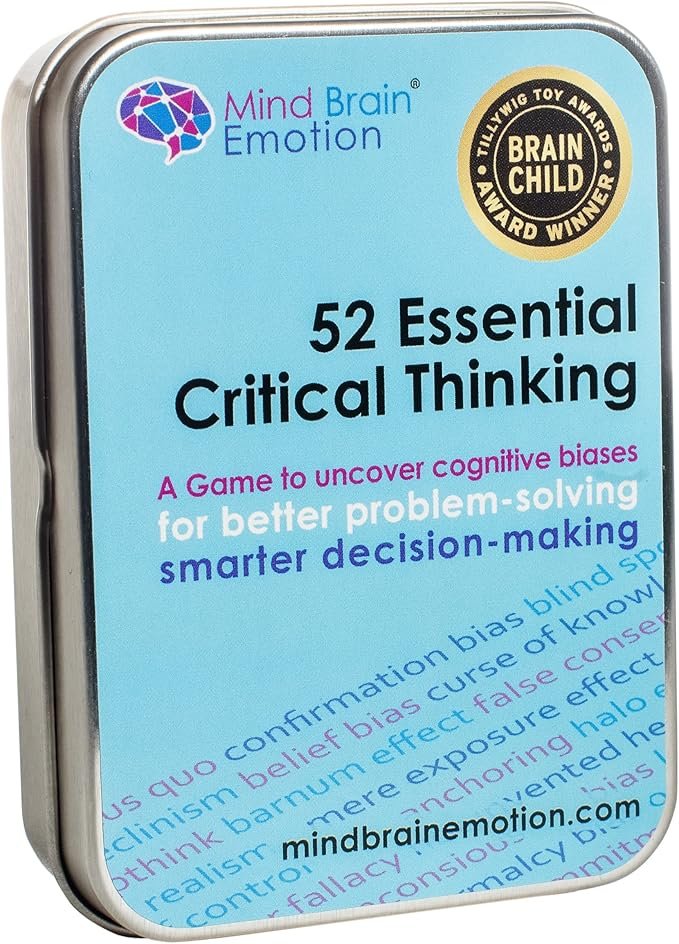
Skills and Intelligence Card Deck Series
2. Bad Judgment – The Party Game for Questionable People
What it does: A hilariously unpredictable card game that makes you confront (and celebrate) your chaotic decision-making skills. Encourages quick thinking, perspective-taking, and laughter therapy — resilience, but with a side of mischief.
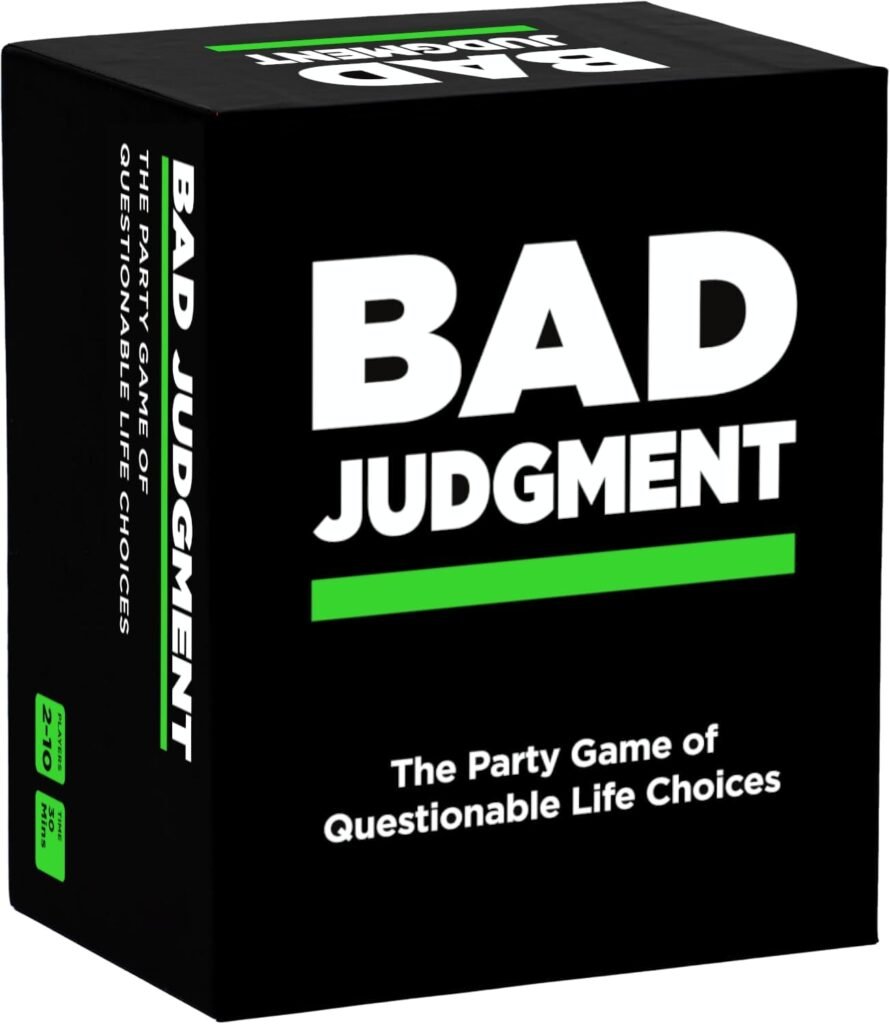
BAD JUDGMENT: The Party Game of Questionable Decisions
Cheaper than therapy and twice as effective because laughing at your own bad life choices counts as emotional growth.
3. Ruin It – The Party Board Game
What it does: A hilariously chaotic game where players should try to derail each other’s success. You’ll strategize, backstab (in the nicest way), and learn how to adapt when someone “ruins” your plans. Builds resilience in trust, flexibility, and creative recovery.
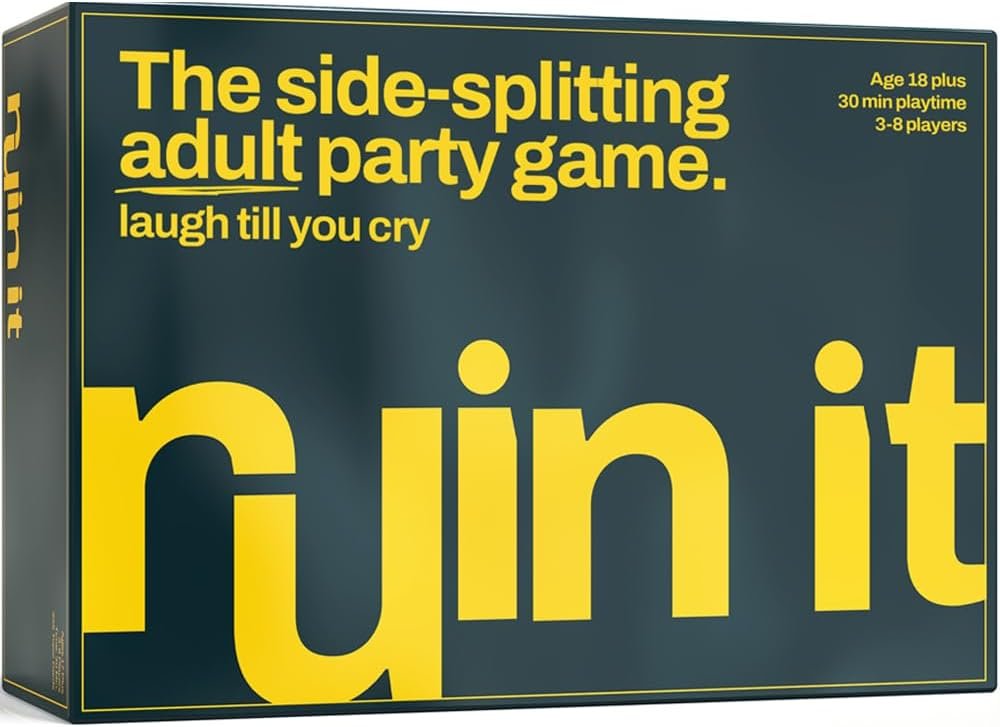
Ruin It – The Party Board Game
A legitimate way to train mental toughness
Building that ‘Resilience Muscle’ Game isn’t about avoiding hard times—it’s about equipping yourself to handle them like a human boss. With the right mindset and a few tools in your arsenal, setbacks stop being dead-ends and start being growth opportunities.