

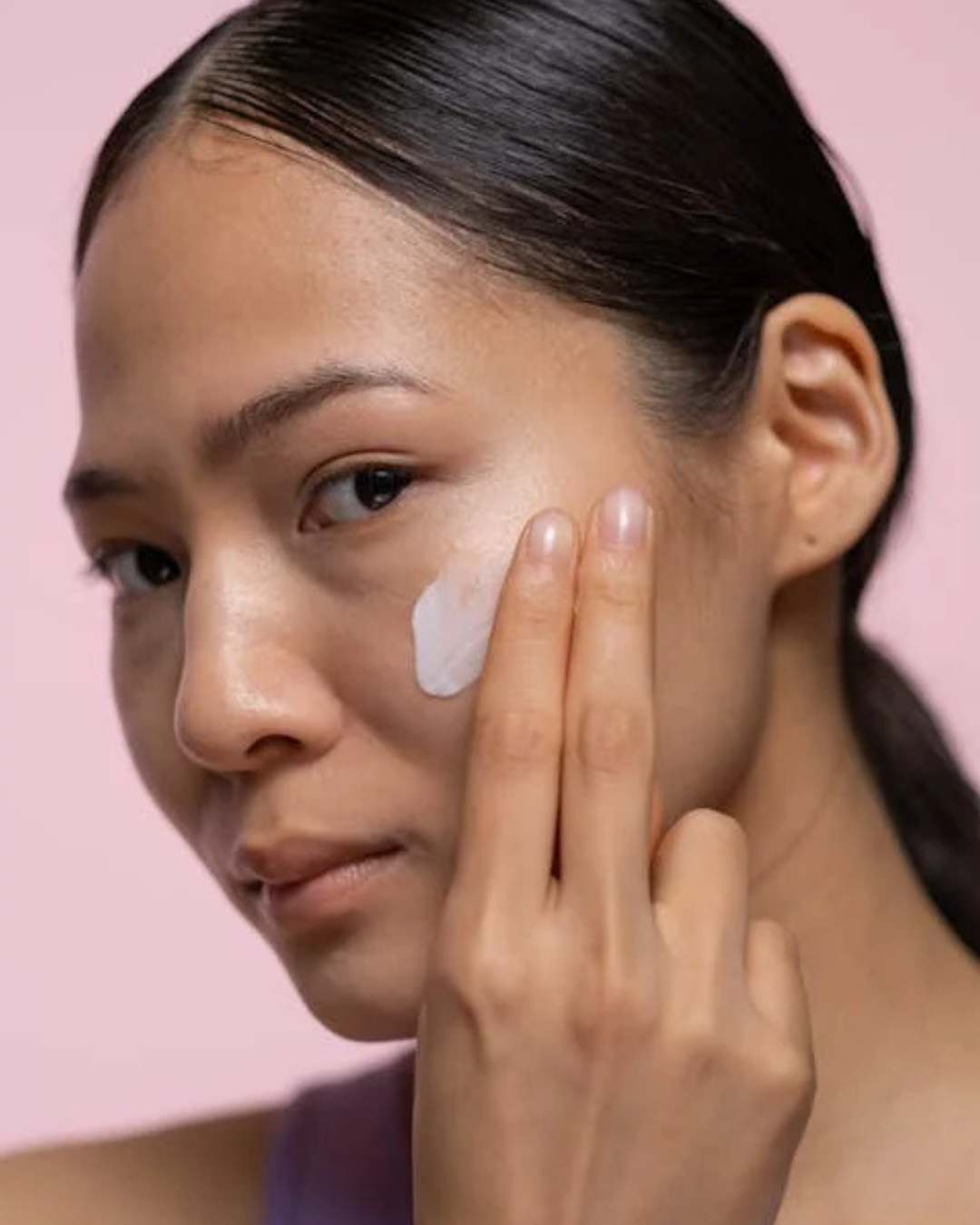
A simple guide to reef-safe sunscreen ingredients and commonly chosen options that avoid controversial UV filters.
This post contains affiliate links. When you make a purchase, we may earn a small commission at no additional cost to you.
Reef-safe sunscreen is no longer a niche concern. More users are paying attention to ingredients that may impact marine environments while also looking for gentle, skin-friendly SPF options. However, the term itself is not strictly regulated, so understanding ingredients matters more than labels.
What “reef-safe” sunscreen actually means
Ingredient concerns
Some UV filters (like oxybenzone and octinoxate) are often avoided in reef-safe formulations due to environmental concerns.
Mineral sunscreen preference
Many reef-conscious users prefer zinc oxide or titanium dioxide-based sunscreens.
“Reef-safe” is not a regulated term
Different brands use it differently, so checking ingredients is more reliable than relying on labels alone.
Reef-conscious sunscreens commonly chosen by users
gentle mineral-aligned option
10 Certified Reef-Safe Sunscreens to Buy on Amazon Before Vacation
Lightweight formula often chosen for sensitive skin and simplified ingredient profiles.
broad protection option
10 Certified Reef-Safe Sunscreens to Buy on Amazon Before Vacation
Mineral-focused option with strong UVA/UVB protection and dermatologist backing.
repair-focused mineral option
10 Certified Reef-Safe Sunscreens to Buy on Amazon Before Vacation
Zinc oxide-based formula with added DNA repair-focused ingredients and a natural tint.
tinted mineral option
10 Certified Reef-Safe Sunscreens to Buy on Amazon Before Vacation
Mineral sunscreen with adaptive tint technology designed for daily wear and environmental exposure.
matte mineral daily option
10 Certified Reef-Safe Sunscreens to Buy on Amazon Before Vacation
Fragrance-free mineral sunscreen designed for oily or combination skin types.
clean daily hybrid option
10 Certified Reef-Safe Sunscreens to Buy on Amazon Before Vacation
Lightweight Korean formula focused on low irritation and easy daily wear.
FAQ
Is reef-safe sunscreen actually necessary?
It depends on usage location and personal values, but many users prefer it for environmental and skin sensitivity reasons.
Are mineral sunscreens always reef-safe?
Not always, but they are generally more aligned with reef-conscious ingredient choices.
Does reef-safe sunscreen work as well?
Yes—modern mineral formulations offer strong broad-spectrum protection.
What ingredients should I avoid?
Commonly flagged ingredients include oxybenzone and octinoxate.
Related guides:
Best sunscreens that don’t burn your eyes
Mineral vs chemical sunscreen explained
Lightweight sunscreens for daily use
Home Store Links curates practical products for everyday life. Some links are affiliate links, which may earn us a commission at no extra cost to you. We try to update prices regularly, but note that prices, deals and availability may change without any prior notice.